

What is Red Light Therapy?
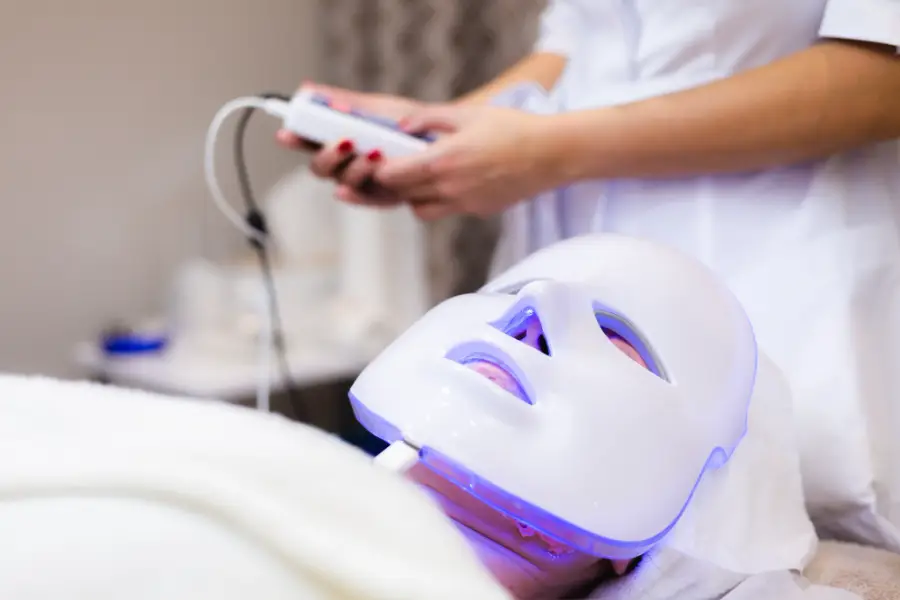
Red light therapy — also known as photobiomodulation or low-level laser therapy — uses specific wavelengths of red and near-infrared light to penetrate the skin and stimulate cellular repair. The light is absorbed by mitochondria within cells, increasing energy production and activating the body’s natural healing responses.
Unlike UV light, red light does not damage the skin and is considered safe for regular use under clinical supervision.
Supports cellular energy production
Promotes natural tissue repair
Reduces muscle soreness and fatigue
Non-invasive and drug-free option
Wavelengths and practical guidance:
Typical Wavelengths and Usage
Wavelengths commonly used range from about 630–660 nm (visible red) and 810–850 nm (near-infrared). Visible red is effective for superficial tissues like skin, while near-infrared penetrates deeper into muscle and joints. Effective therapy requires sufficient energy density (fluence) delivered at safe irradiance levels. Typical home sessions might last 5–20 minutes per area several times weekly, while clinical protocols vary. Consistent use over weeks is often needed to notice changes. Choosing a device with documented output specifications and safety features ensures both efficacy and comfort.
Unlike UV light, red light does not damage the skin and is considered safe for regular use under clinical supervision.
Natural Recovery
Supports tissue repair and reduced inflammation
Efficient Sessions
Short treatments deliver measurable cellular effects
Safe Application
Non-invasive with minimal side effects when used properly
What Can it Help With?
Red light therapy may help support healthy skin, improve skin texture and reduce the appearance of fine lines and wrinkles. It may also support natural collagen production and cellular repair, helping the skin look healthier and more refreshed.
It can be used as part of a wider skincare and wellbeing routine and may support recovery following exercise or minor skin concerns. Results can vary between individuals, and regular treatments may be recommended to achieve the best results.
Muscle recovery and post-exercise soreness
Joint pain and inflammation
Skin health, including acne, fine lines, and wound healing
Sleep quality and circadian rhythm support
General fatigue and low energy